
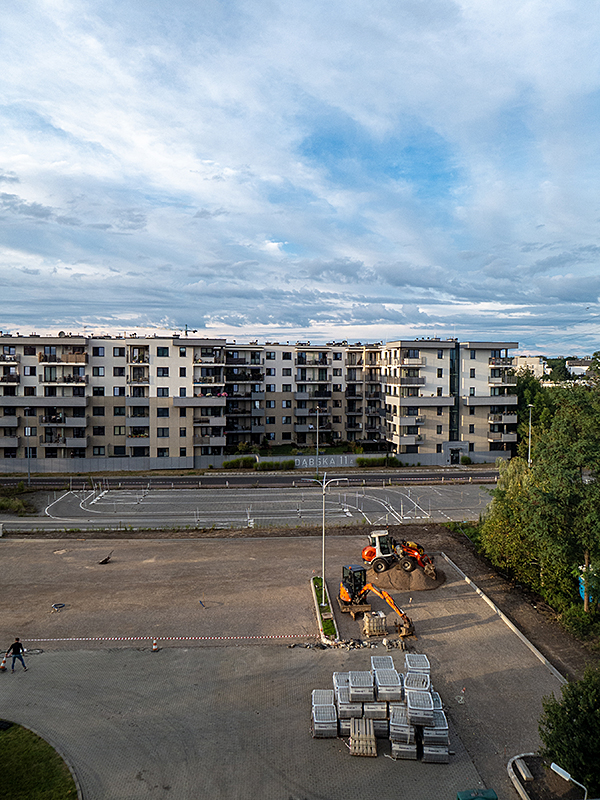
The driver took us south across the river, along a boulevard, past some Communist-era buildings, onto a side street, and through the parking lot of a modern apartment block. He stopped at a gate.
The five of us sitting folded into the back of the Prius exchanged uncertain glances.
“This isn’t where we’re going,” one of us said.
“Yes,” said the driver. “I know this place. I live here.”
I pulled out my phone and showed him the name of our destination on the screen. “Restauracja Wręga. In Kazimierz.” The driver furrowed his brow.
I pulled my phone back and looked at Google Maps. We weren’t at Restauracja Wręga in Kazimierz. We were on a side street in the Płaszów area of Podgórze, and we were farther from our destination than when we started at our inner-suburban hotel on Dąbska.
The driver looked at his device. Then he said he couldn’t take us to the restaurant because he had a wedding to go to. He dropped us at a nearby convenience store and drove away.
He had won the distinction of being, by a large margin, the least helpful person we met in Poland.
We weren’t the first people who, wanting to be in Kazimierz, had ended up in Podgórze. But at least for us it turned out to be no more than an annoying inconvenience. Google Maps told me that we were two blocks from a streetcar line that would take us to four blocks from the restaurant. The next streetcar was coming in 18 minutes and it was a 20-minute trip. We let our friends know we would be late.
Anyway, it was a scenic detour. For a scant few złoty each, the streetcar gave us a scenic tour of the relatively modern and relatively not-so-modern parts of Podgórze, from boulevards with kebab joints past industrial parks and apartment blocks and into smaller older streets with smaller older buildings, at last passing the old graffiti-covered buildings along Limanowskiego in the heart of the former ghetto, where the Jews of Kraków had been forced by the Nazis to relocate, brooded over at its corner by the spires on spires on spires of the massive St. Joseph’s Church.
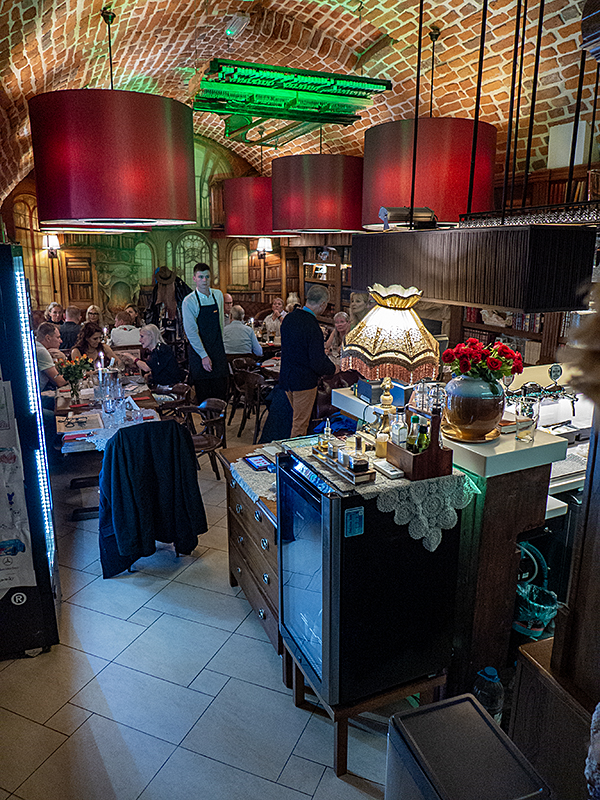
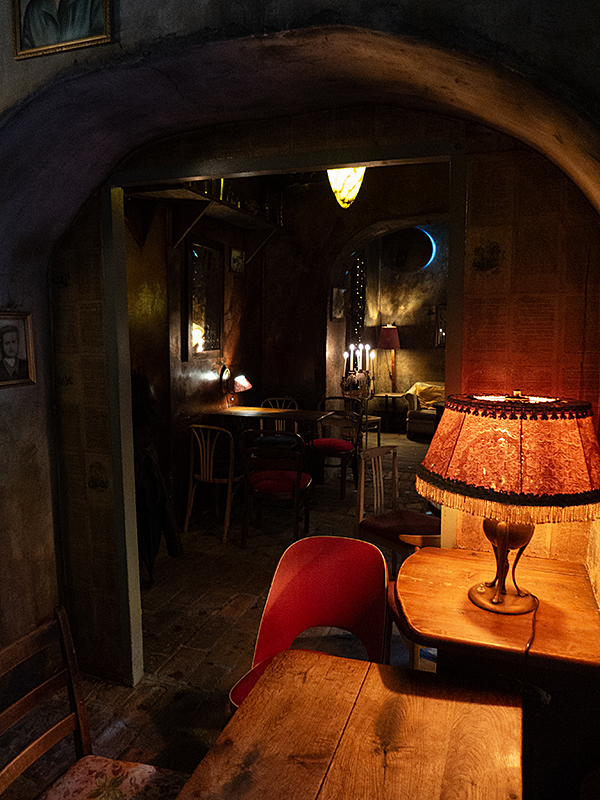
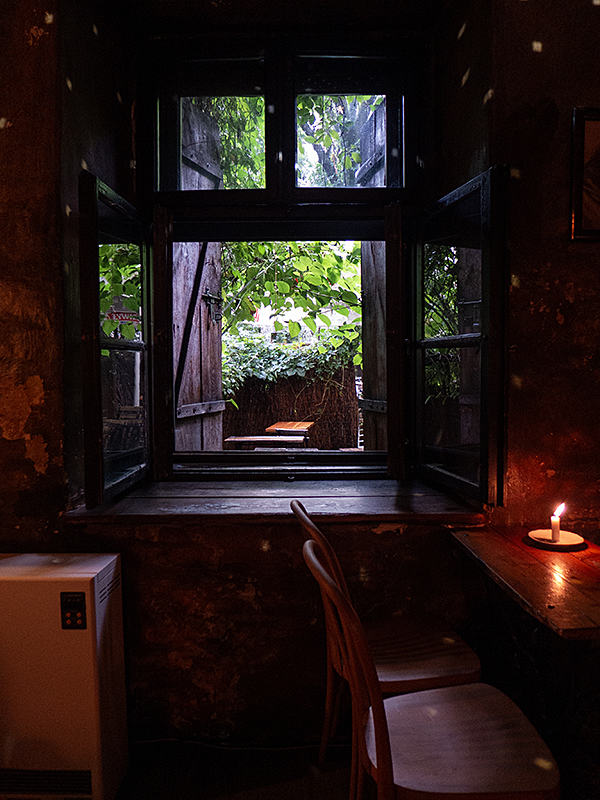
And then we turned north, crossed back over the river, and were in Kazimierz, the ancient Jewish quarter and modern hip funky area, just south of the Old Town. We hopped off the streetcar and met our friends at the restaurant just as they were paying the bill. Some of them headed off and would meet us later at an old-style basement restaurant near the Main Square, but one of them took us nearby to Eszeweria, a very boho coffee-and-beer place in a labyrinthine old building with candle lighting and tables that once held sewing machines. It’s the sort of place I would haunt if it were in Toronto. But it’s in Kraków.
Krakow. Cracow. Krakau. Krake. Krakiw.
If you haven’t been there, you probably recognize the name, but you might not know much about it. For me, when I was younger, I just thought of it as a semi-obscure Eastern European town. I was wrong on both counts.
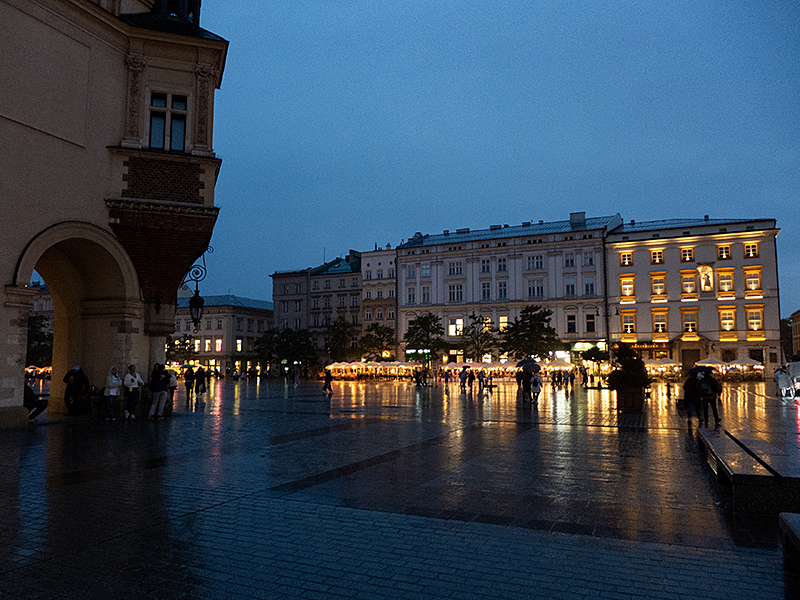
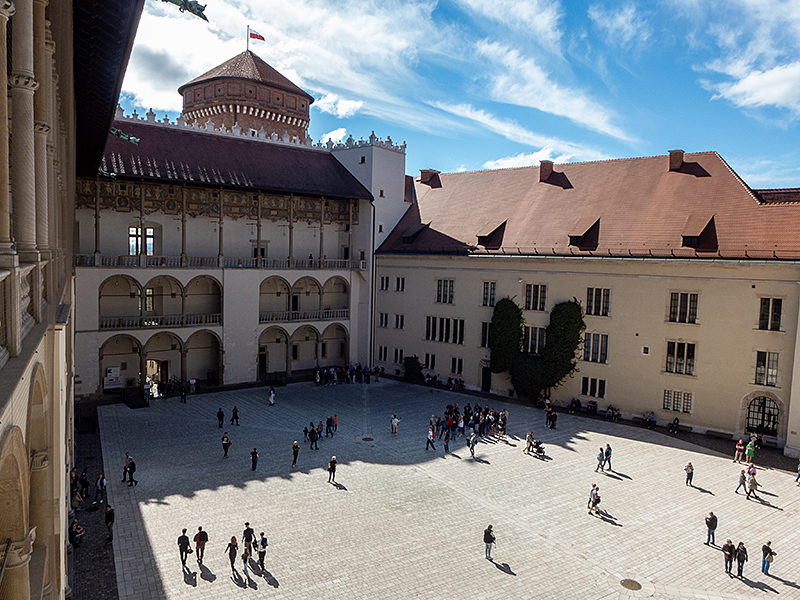
Krakow (or, in Polish, Kraków, said sort of like “crock-oof”) is the second largest city in Poland. Because it’s not so much part of the Western European cultural sphere with the shared histories of all the neighbours and close competitors of England, Krakow figures much less prominently in the imaginations of most people in the English-speaking sphere. But it’s a city of no less historical importance and present interest than almost any Western European city other than the capitals (and even some of them). It’s the former capital of Poland, complete with castle; it was for centuries an important crossroads of trade and culture, and it’s home to one of the oldest universities of Europe (Jagiellonian University, founded in 1364) and one of the largest medieval town squares in Europe.
And it is in Central Europe, not Eastern Europe. It’s just about due south of Stockholm, and is less than an hour by plane from Vienna.
Also, I have learned, it is apparently a popular spot for quick group trips from England for such things as bachelor and bachelorette party weekends. This is undoubtedly because eating and drinking in Poland is, relatively speaking, great value for money, and also because Krakow is a very nice city. And English is widely spoken there (but let me not discourage you from learning some Polish).
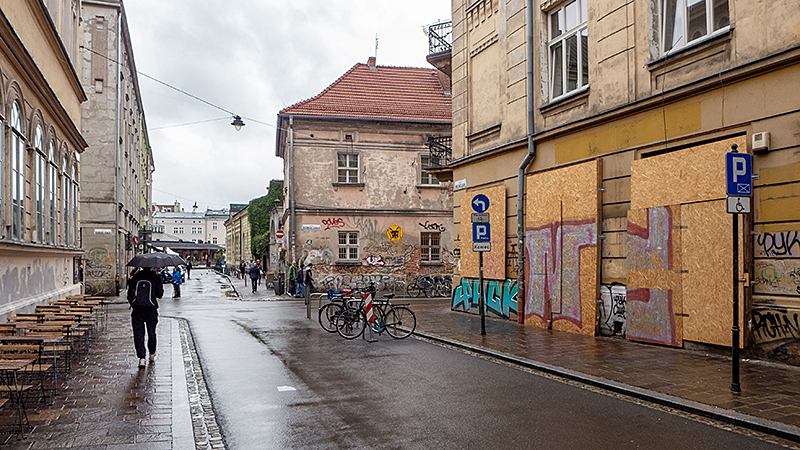
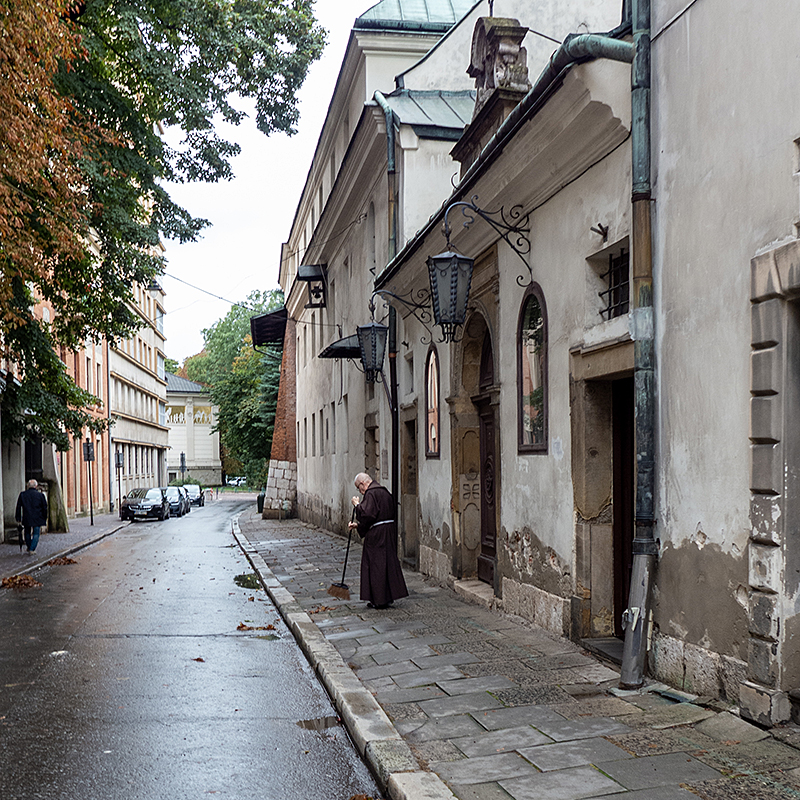
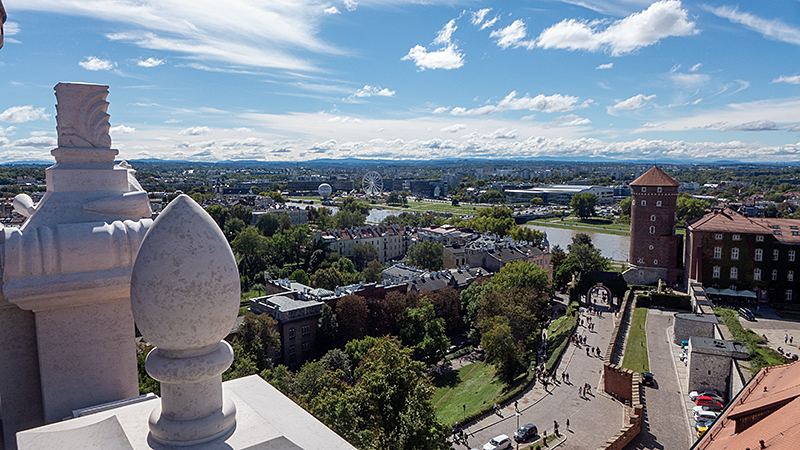
It’s not all ancient beauty, of course. There are stretches that lack both freshness and antiquity. Some parts are boarded up and graffitied. It’s a city, after all, and one with more than its fair share of history, having been controlled by various empires and political systems at various times. But the Stare Miasto – the Old Town – is as lovely as any old town in Italy or Spain, and quite able to handle as many tourists as it gets. And if you visit, bring your appetite – and be ready to have fun. You may be inclined to make some kind of pun on “krak,” but the most reasonable one to make is on the Irish crack (aka craic), ‘fun’.
It’s not just a party town or politically historically important town, either. Krakow is also a literary centre, with the oldest bookstore in Europe, and figures in many novels; I think the city I’ve been to that it’s most like is Prague.
Incidentally, we don’t know for certain where the name Kraków comes from. It’s commonly said that it’s after Krakus, its legendary founder, ruler of a local tribe, but the first mention of this idea dates to centuries after the town’s founding, so perhaps it’s really from a word meaning ‘crow’ or ‘raven’.
Why were we – I, my wife, our friends – there, by the way? To party. Yes, us too. We were joining a reunion for people who skated with Holiday On Ice (my wife did; I certainly did not). It’s a convenient location for many of the alumni, who are mostly from Europe. And, as mentioned, it’s value for money. And ever so charming.
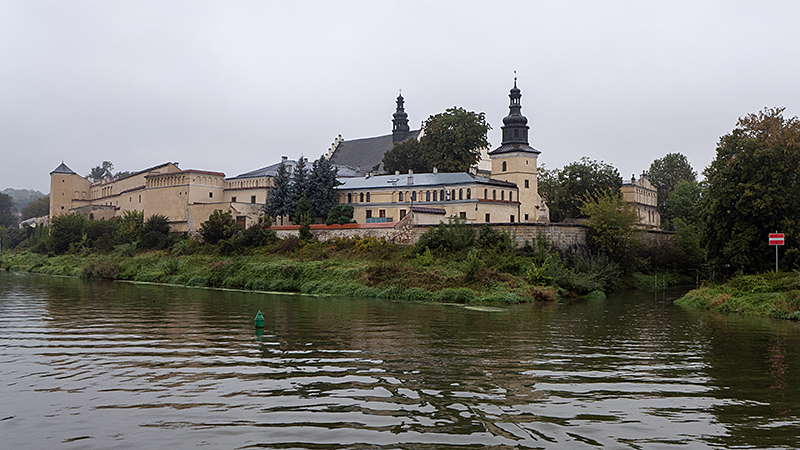
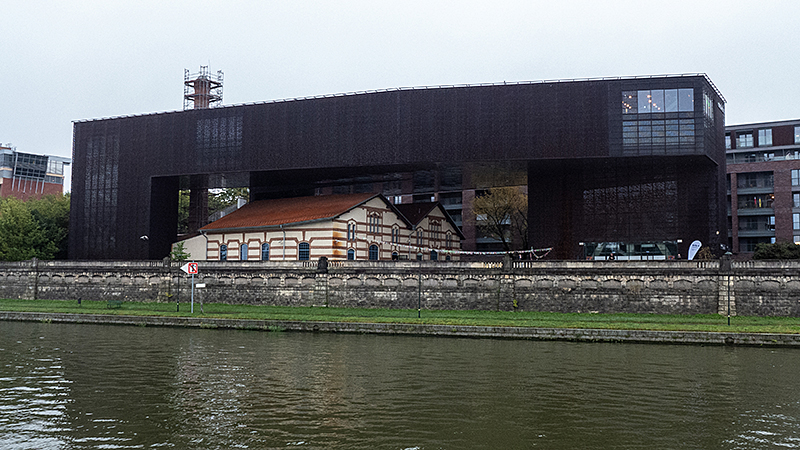
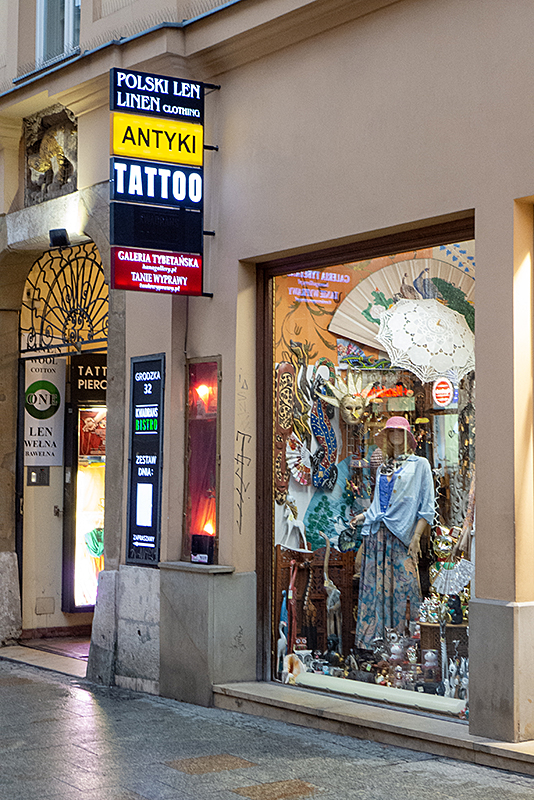
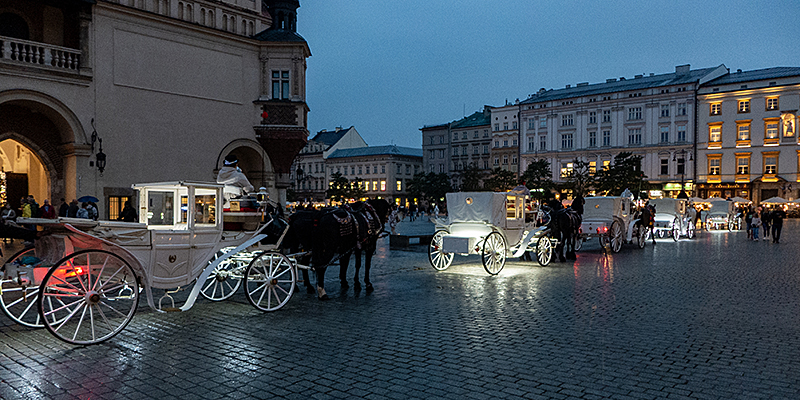
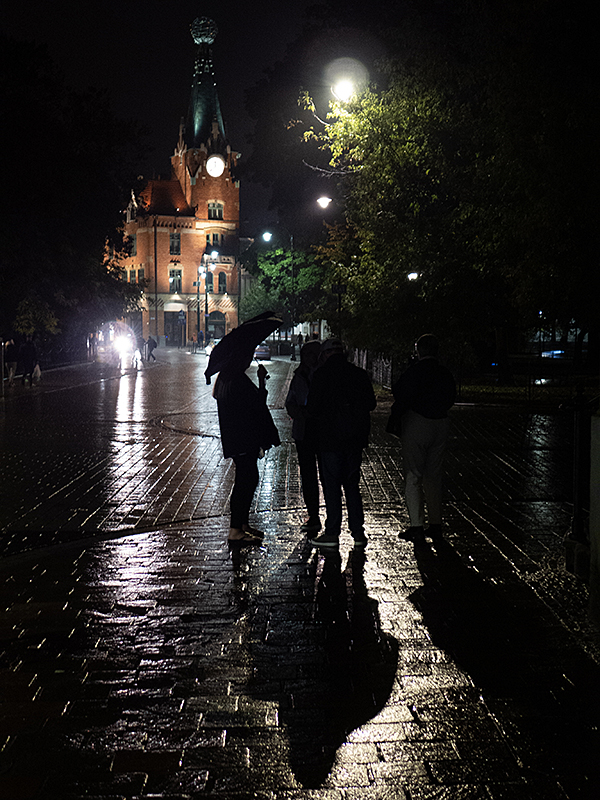
But enough words. Let me show you some pictures.





 Sesquiotica