
There are several Cochranes.
I mean that in several ways.
There are, as you may know, several places in the world named Cochrane (all pronounced “coc-run,” if you’re not sure). People in Ontario, where I live now, tend to think of Cochrane, Ontario, a small town with the main distinction of being way north where most people never go, between Iroquois Falls and Kapuskasing. In its Wikipedia article, the first subhead under “Attractions” is “Polar bears.” Its motto is “Wonderfully Unexpected.”
People in Alberta, where I grew up, think of Cochrane, Alberta, just to the northwest of Calgary, a town draped over hills and a river valley, with 230 metres difference in elevation between its lowest and highest points. Its motto is “How the West Is Now,” which is, in my opinion, reasonably accurate.
There is also a Cochrane in Wisconsin, really a suburb of Buffalo City, which is a metropolis of over a thousand people on the northern reaches of the Mississippi River. And there is a Cochrane in Chile, towards the southern end of the country, in a river valley surrounded by mountains. There are also various smaller places of the name, such as Cochrane Street, in Hong Kong, which hosts the world’s longest outdoor covered escalators, which ascend (and descend) more than 135 metres.
All of these Cochranes are named after people who had the surname Cochrane, no two the same: Frank Cochrane, former mayor of Sudbury, Ontario; Matthew Henry Cochrane, a cattle baron and senator; a railroad conductor, first name not given, who had the bad luck of being injured in a village in Wisconsin; Thomas Cochrane, 10th Earl of Dundonald, the first admiral of the Chilean navy; Rear Admiral Thomas John Cochrane, commander-in-chief of the East Indies and China Station of the Royal Navy.
But of course there are many other Cochranes. By this I don’t just mean that there are many people named Cochrane, though there are (I have a good friend by that name; an old friend of my father’s also has that name; the lead singer and songwriter for the group Red Rider, known for such hits as “White Hot” and “The Lunatic Fringe” and “Cowboys in Hong Kong,” is Tom Cochrane; and so on). There are also many other versions of the name: Wikipedia lists Cochran, Cocrane, Cocran, Cochren, Cockram, Cockran, Cockren, Cochern, Colqueran, Coughran, and Cofran. And they all trace to the same several origins.
Yes, several: two Scottish and one Irish. The Irish origin is from Cogaráin (family names Ó Cogaráin and Mac Cogaráin), which probably comes from a root meaning ‘confident’, though I can’t be entirely sure of that. One Scottish origin is a place near Paisley. Its etymology is disputed; it may mean ‘red’ or it may mean ‘skilled’ or it may mean something else. The other Scottish origin is as a modified version of the name MacEachrain, which means (as far as I know) ‘son of a horse lord’.
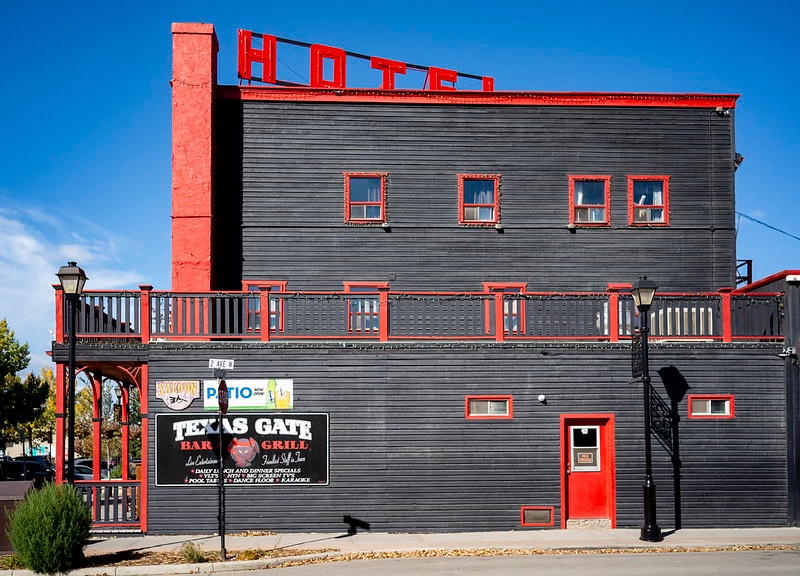
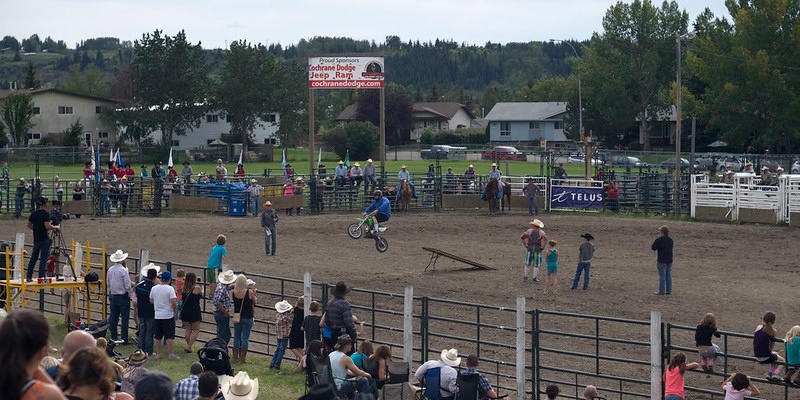
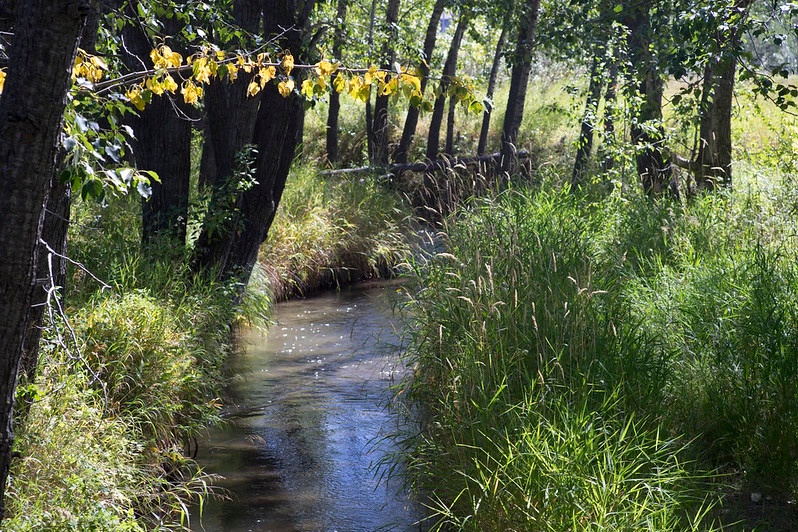
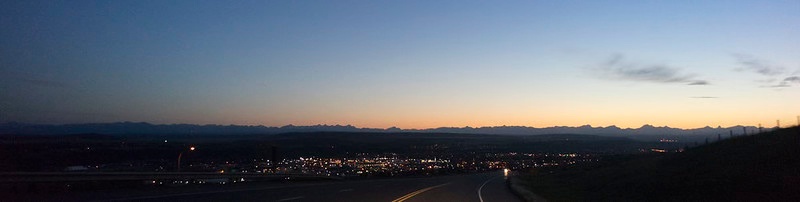
Which brings me back to the largest place called Cochrane, the town of Cochrane, Alberta, population over 30,000 – it could be incorporated as a city, but it doesn’t want to. This is the town that was named after a horse lord, Matthew Henry Cochrane. There are still horses in the area, and cows too. But when you walk in the western-themed centre of town, or drive from big box parking lot to big box parking lot in the shopping sprawl across the tracks, or stroll on the paths of Bighill Creek as it winds its way through the heart of typical Alberta 1970s-era suburban neighbourhoods, or stroll through the new neighbourhoods up above the Cochrane RancheHouse (I would gratified if they could replace that excrescent e with a decent space), or ascend (or descend) the town’s most famous feature, the hill on Highway 1A with its 200 vertical metres and a frankly spectacular view of the Rocky Mountains to the west, you are more likely to see spandex than leather. It’s an outdoorsy, sporty place. Cowboy hats are seen, but less often than trucker caps. Pickup trucks, of course, but Honda Civics too.
I see Cochrane often. My parents live there. But I didn’t grow up there; when I was a kid, it was a town we’d pass through on the way to or from Calgary (but only if we didn’t take the Trans-Canada, which we usually did) or, quite infrequently, stop in for ice cream. It was a lot less prepossessing in the 1970s. It has grown quite a bit since then, and it is still growing.
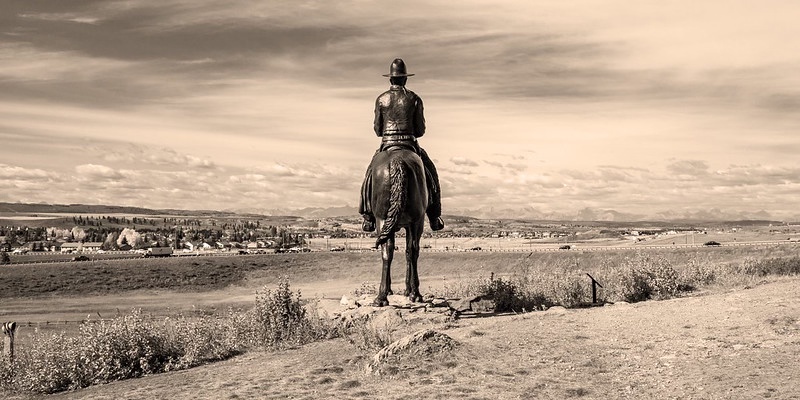
And when I say it I really mean the several Cochranes, the whole patchwork of places overseen by the Man of Vision horse-and-rider statue dominating a hill above the intersection of highways 1A and 22. My parents moved there about a quarter of a century ago and have become thoroughly embedded and well known in the town. And I enjoy my visits, especially the lengthy strolls I take around town with my camera in hand.
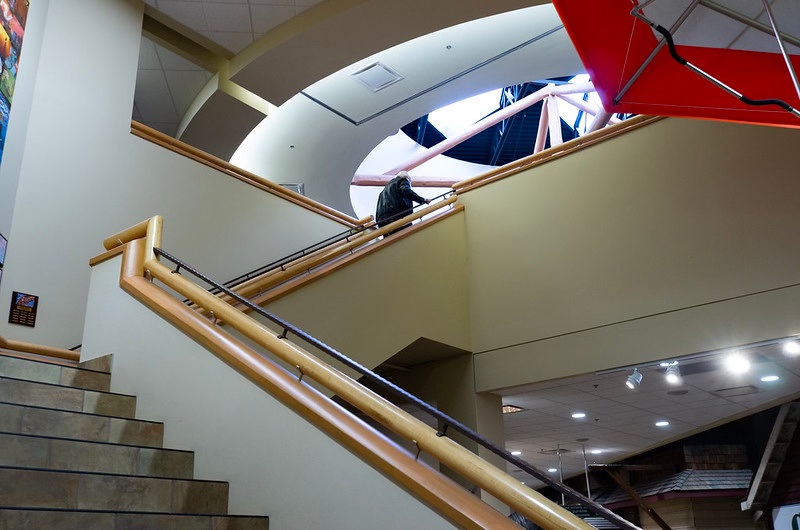
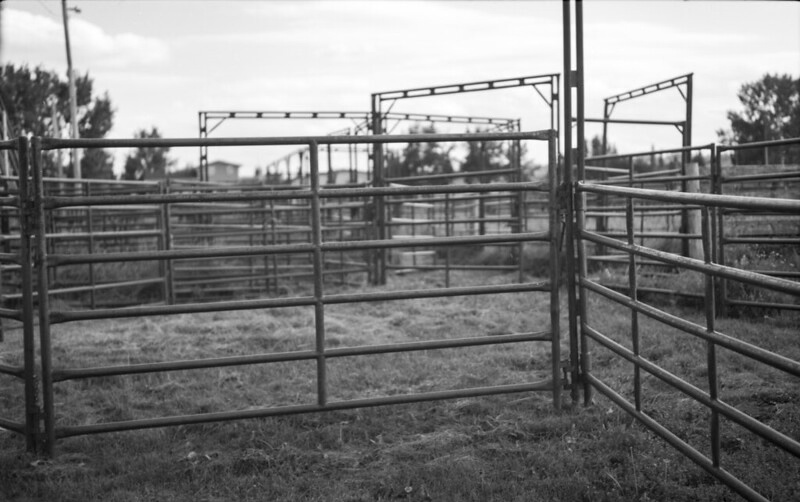
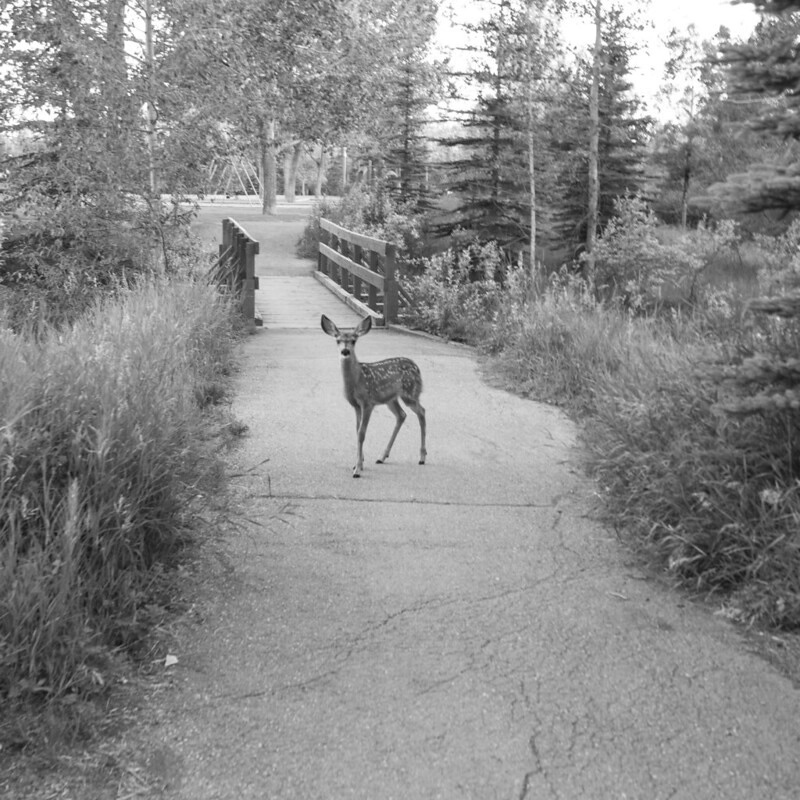
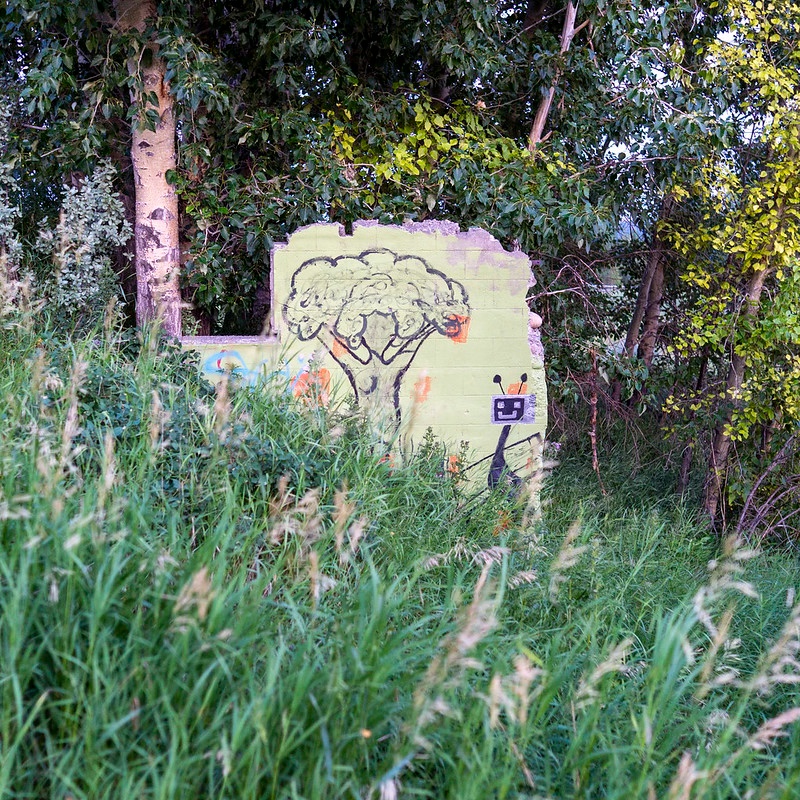
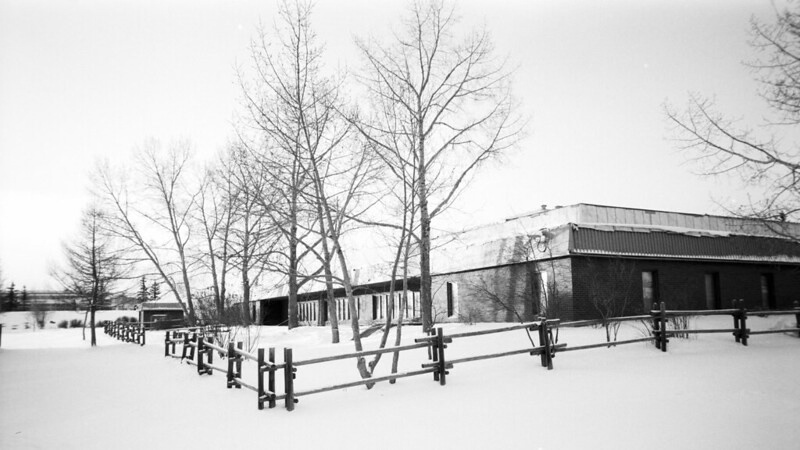
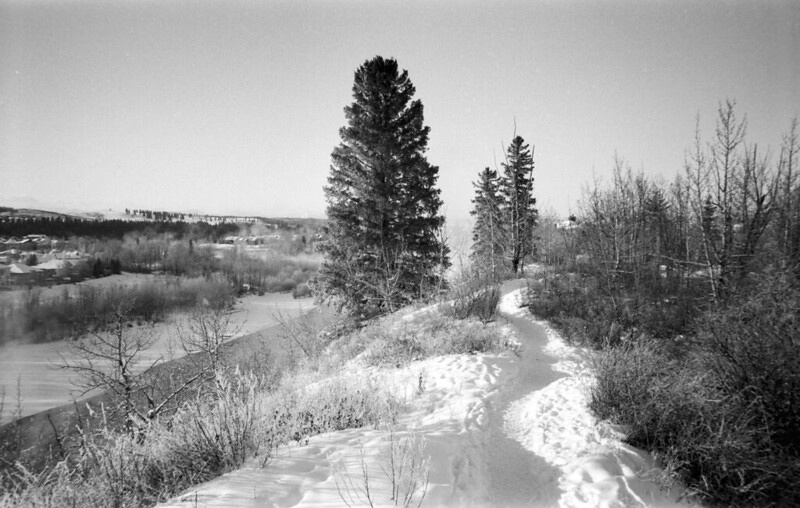
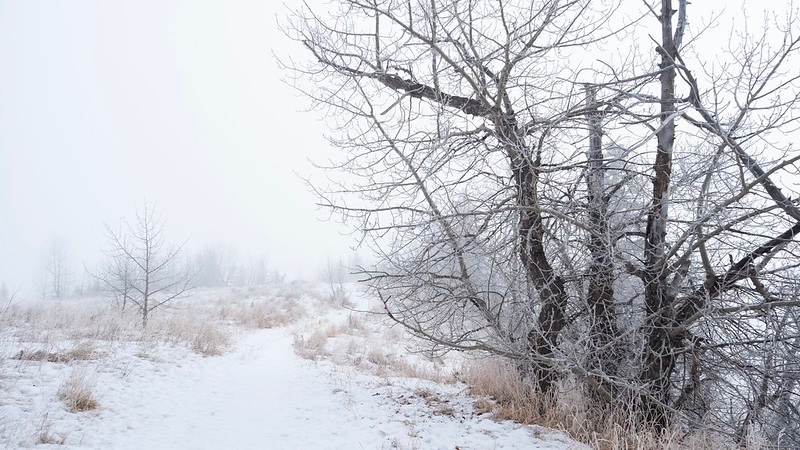
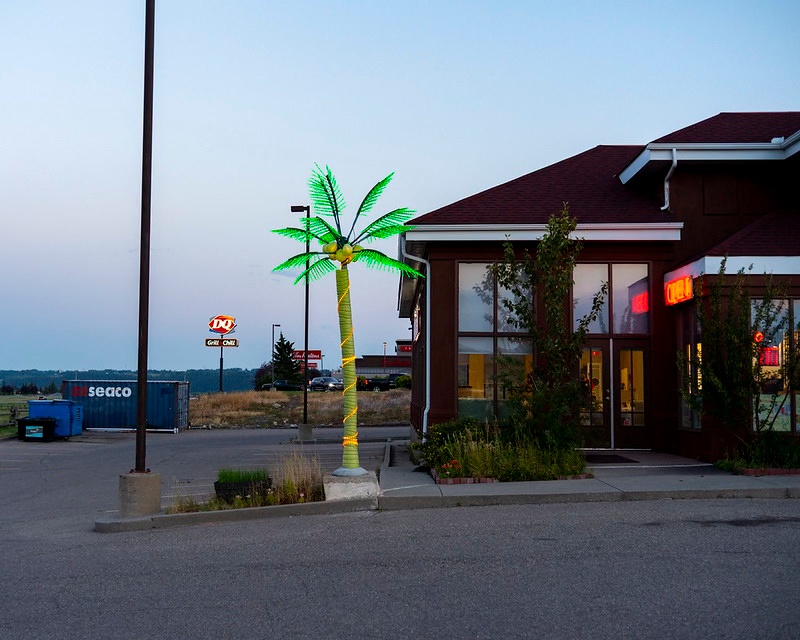
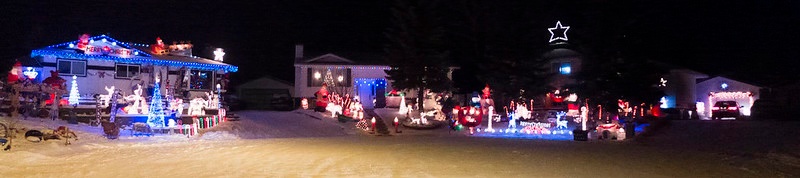
I can’t show you what every bit of Cochrane looks like, because there are some things I don’t feel like photographing (the huge parking lot in front of the Save-On-Foods, for instance). But here, by way of adding some of the particular flavour that Cochrane (the town and thus also the word) has for me, are some of the parts I have pointed my camera at.









 Sesquiotica