Monthly Archives: December 2025

covert, overt

What’s the difference between covert and overt? Just what you can c.

Well, that and what you conceive on the basis of what you can see. Sometimes some added variable can convert it. But also, a difference can be hiding (covert) in plain sight (overt), and it takes a change of perspective to uncover it.

It is the antonymy of these words, and their near identity in form, that causes them to cleave and yet to cleave. Of course covert is the opposite of overt; of course they are nearly identical: the only difference in pronunciation is the /k/ sound at the start – unless, as you may, you say covert like “covert” plus “t.”

Which gives us a bit of an opening here. I don’t mean an aperture – that might be malapert for covert, though it would be perfectly apposite for overt, which traces back to Latin aperire ‘open’ (etymon of aperture), which slid into the descendants of Latin as obrir and ovrir and then, in French, ouvrir, which gained the past tense ouvert, which gave us overt. But OK, how did overt gain a c to reverse the sense?

It didn’t. The question that will uncover the truth is in fact how the a in aperire became the o in obrir and ovrir. And the answer to that is, apparently, by imitation of its antonym operire.

Well, that’s awkward. How do you deal with two words that sound identical but mean the opposite? You can get by if they’re not often used (like cleave), and perhaps if they’re colloquial the uncertainty can leave you either chuffed or chuffed, but for words in regular use that need clarity to avoid disaster, you add something distinguishing to one – in this case, a co- to make it more (or less, depending on your perspective) cooperative. And so operire ‘cover’ became cooperire ‘cover together’, i.e., ‘cover’.

And from cooperire was descended French couvrir, the source of English cover. It is tempting to say that covert is a past participle of cover as meant is a past participle of mean, and in a sense it is, but not quite in an etymology: covert comes not from English cover plus t but from the French past participle, couvert, from Latin coopertus. And so the pronunciation we would expect would be like “cover” with a “t” – but the influence of overt is, well, overt.

In other words, overt has an o because it sidled over towards its antonym, and covert has a c to look less like its antonym but is said with a “long o” because it has sidled over towards its antonym. Opposites attract; the two words look like siblings but are not really related – they have covertly converged in overt form because their opposite vectors aligned them. What a trove!

The 2026 Sesquiotica calendar

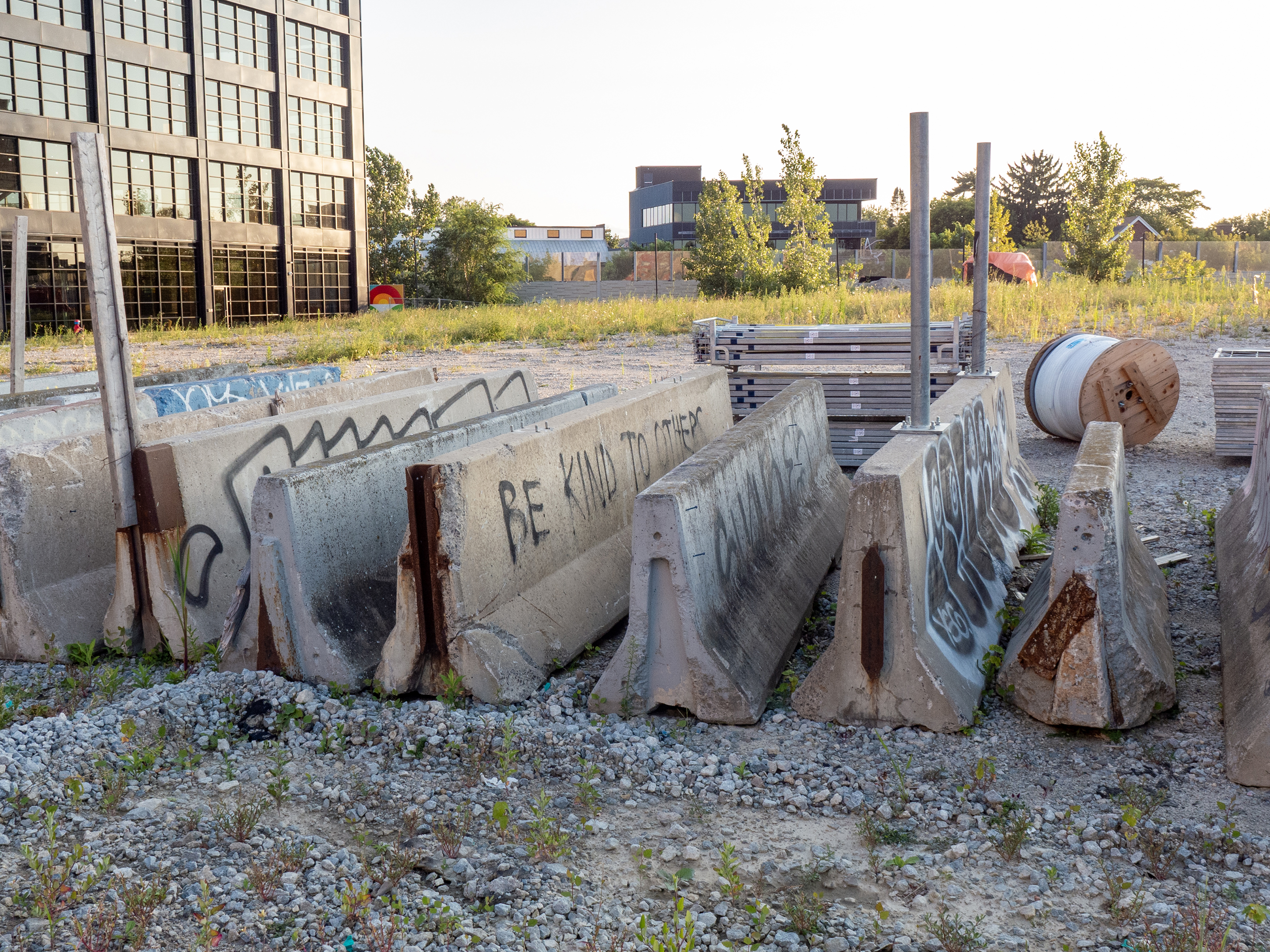
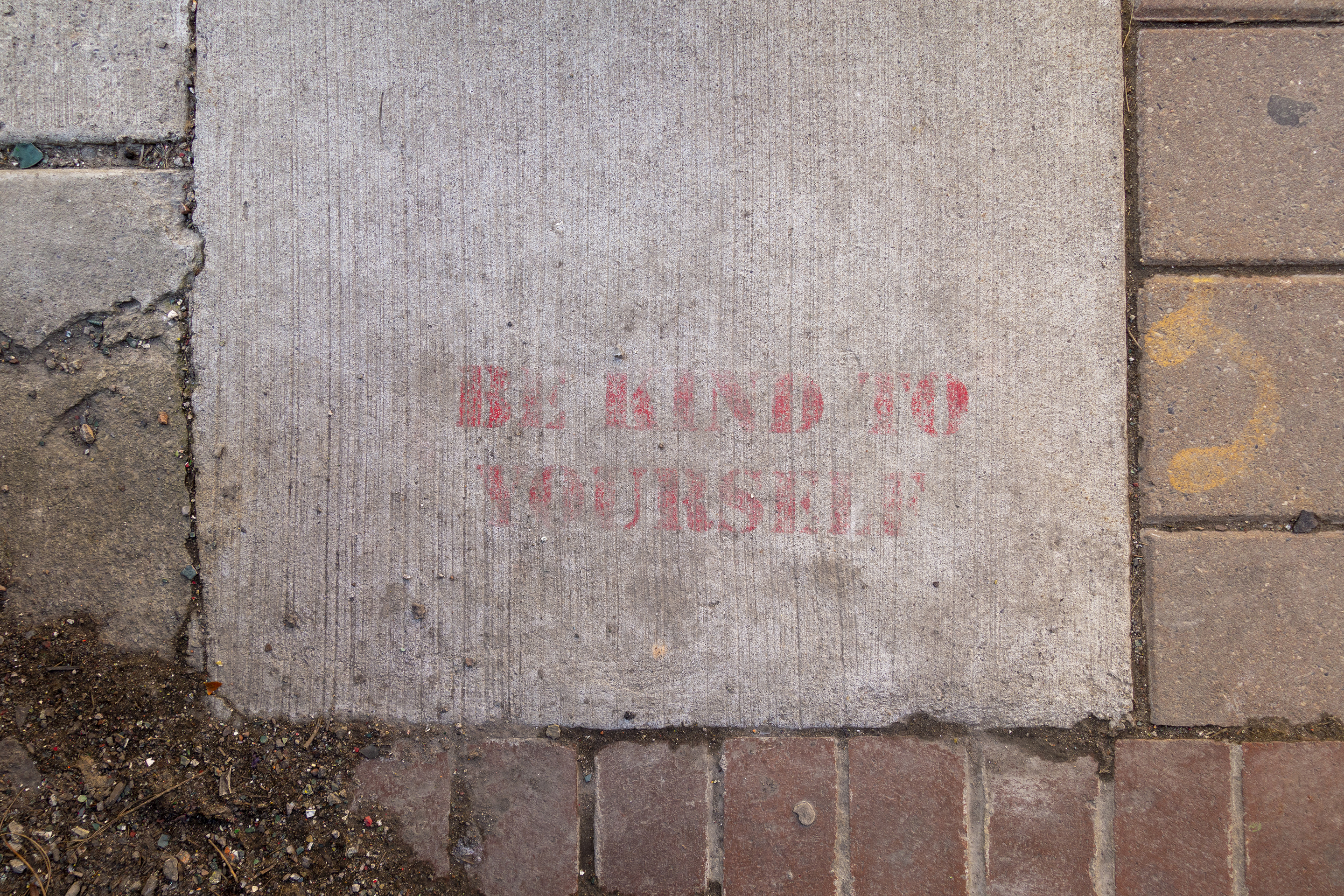
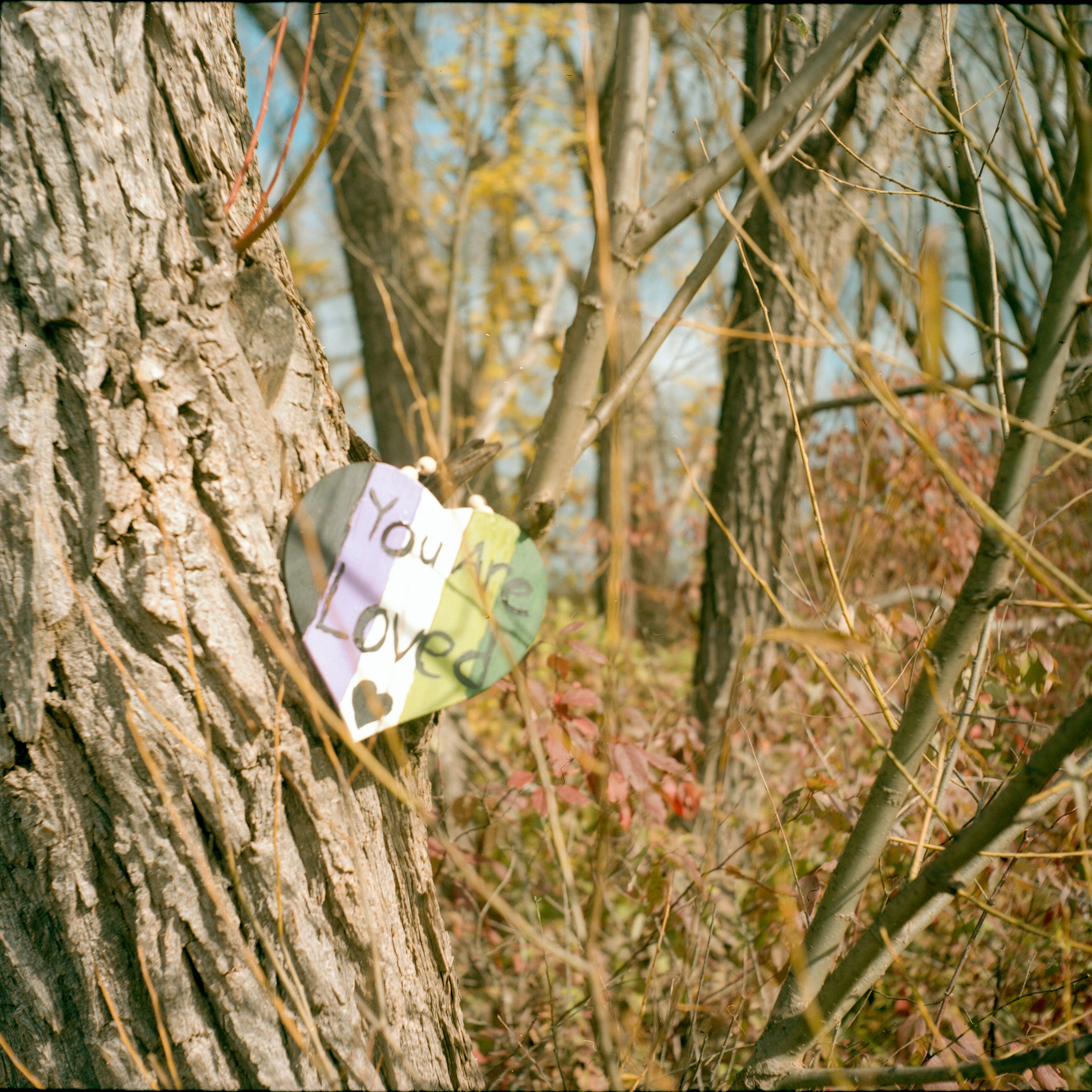
Announcing the 2026 Sesquiotica calendar! My Patreon patrons above a certain level receive a Sesquiotica calendar, and I like to give a calendar to family and friends as well. And I have ordered enough of them that I have a few extras that I am happy to part with for $20 each plus shipping. If you’re wondering if you would like one – or even if you don’t want an 11×14 coil-bound calendar – here are the photos (all by me!) that are featured for each month.

Cover

January

February

March

Digitized with Negative Lab Pro v2.1.2

April

OLYMPUS DIGITAL CAMERA

May

June

July

August

September

October

November

December

If you’re interested in acquiring one, email me (if you don’t have my personal email, use the form at jamesharbeck.com/contact/ – I don’t want to post my email here because spam address harvesters will pick it up). I’ll let you know how much the shipping will cost (it varies a lot depending on where to and by what method) and we can make it happen!

Silberhochzeit

December 9, 2000, was a silver day in Toronto: snow had fallen all the previous night, and everything was blanketed in shiny white as Aina and I posed for pictures and then went to the church and said our vows.

December 9, 2025, is also a silver day – well, the snow isn’t quite so fresh, but I bear a silver hue on the top of my head everywhere I go now, and today in particular is specifically silver for me and Aina. And it is high time for me to talk about Silberhochzeit.

Unless you speak German, you’re probably looking at this word Silberhochzeit as though it were a pile of snirt dumped on your dinner table. German is not famous for pretty-looking or pretty-sounding words, and not only does this word look like the speeding passage of a race-car (or a quarter of a century), /ˈzɪlbɐˌhɔxtsaɪt/ sounds more like an unfortunate bicyclist aspirating a bumblebee than it does a word for a silver wedding.

Which is what it is. It means ‘silver wedding anniverary’, but technically, literally, it just means ‘silver wedding’; ‘silver wedding anniversary’ would be Silberhochzeitstag, as ‘anniversary’ is Hochzeitstag, which is literally ‘wedding day’ – and even more literally ‘high time day’, because Hochzeit, ‘wedding’, is literally hoch ‘high’ plus Zeit ‘time’. Not necessarily as in “It’s high time you got married!” but just as in it’s an exalted occasion.

OK, but why am I plopping this German monstrosity in front of you when this is normally a blog about English words? It’s not because my surname is German, and it’s not because Aina loves sauerkraut, and it’s not even just because it’s one word whereas in English we use three. It’s because the tradition of silver (25th) and gold (50th) wedding anniversaries started in Germany. It seems to have begun around the 1500s there, and was quite well established by the time it ported over to the English-speaking world in the 1800s (the other anniversaries – a long list, including wood for the 5th, tin for the 10th, and crystal for the 15th – were mostly invented in the 20th century, by companies that sold gifts). 

And while big celebrations of silver and gold anniversaries are not such a common thing in the Anglo world (the gold one moreso, because 50 years is a long time to be married), they are apparently still quite the thing in Germany, where, for the 25th, in some parts of the country friends and neighbours hang silver decorations on the couple’s door, and in other parts they come in and defenestrate the silverware.

Which will not be happening chez nous, thank you very much. Aside from the fact that I’d rather retain the wedding flatware, defenestration of objects is strictly verboten in our building – and it would be exceedingly unwise anyway, given that we’re on the 27th floor. But for that exact reason, even before we open a celebratory bottle of wine with dinner, we are guaranteed a high time.

infrigorating

I was in a warm place last week, visiting friends who have an outdoor pool. It has a heater that can be turned on. The first time we got into the pool, the heater hadn’t been turned on for a while, and what is a nice air temperature is not necessarily as warm when it’s water. I jumped in and proclaimed it infrigorating.

And then, a couple of days ago, I got back to Toronto, where – in my absence – autumn had seceded to winter, and I remembered what’s really infrigorating.

Infrigorating? Is that a word?

Well, it should be. When you jump into a cool pool or step out in warm-weather clothing into freezing air, you may want to declare pertly that it’s invigorating, but you may also want to shout “Frig! It’s a bit brisk!” And frigor is a Latin word meaning ‘cold’, and frigorific is a word – meaning not ‘terrifically frigging cold’, but ‘causing to chill or cool’.

But we do already have an established Latinate word for the sense to which infrigorating is a pretender: infrigidating. It’s clear, it makes sense, it provides a nice match to intepidating (which is not in use as a word but sure could be) and more loosely to infuriating, and it has overtones of going out on a frigid date. And its root frigido is (aside from sounding like a perpetually chilly hobbit or supervillain, perhaps) Latin for ‘I chill, I make cool’ – literally, not as in hanging with the gang.

But, well, heck. Might as well just say chilly as infrigidating. I think infrigorating has a feel I like better, for reasons given above. If I’m going to have to experience the cold shock, I want a word for it that sounds more like what I’m muttering under my breath as steam comes out of my mouth.